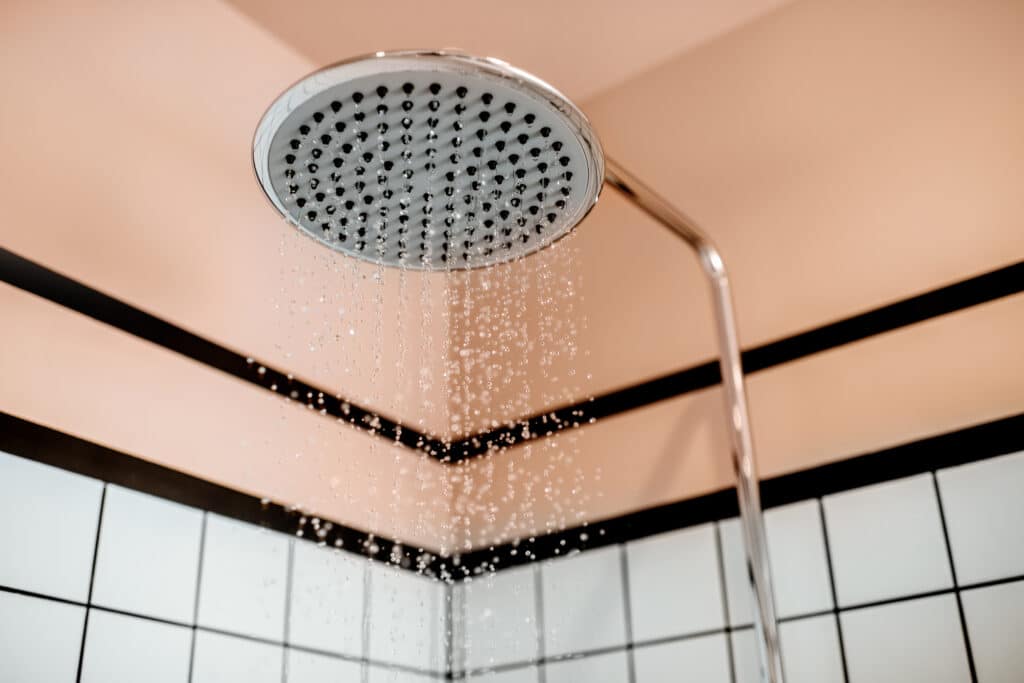
There’s nothing more frustrating than stepping into the shower for a refreshing start to your day, only to be met with a weak, sputtering trickle. Or perhaps you’ve noticed your dishwasher takes forever to fill, turning a simple chore into a lengthy ordeal. Low water pressure is more than just a minor annoyance—it can significantly disrupt daily routines and often signals deeper, more complex plumbing issues lurking within your home’s pipes.
Understanding the root causes of this common problem is the first step toward a lasting solution. This guide provides expert insights into diagnosing the symptoms of low water pressure, identifying potential culprits from mineral buildup to hidden leaks, and exploring the effective remedies that can restore a strong, steady flow to your faucets. Learn how to keep your home’s plumbing system functioning efficiently and prevent minor inconveniences from turning into major repairs.
Common Symptoms of Low Water Pressure
Homeowners may notice several signs that indicate water pressure problems:
- Weak Water Flow: Faucets and showerheads that emit only a meager trickle instead of a steady stream can signal a pressure drop.
- Fixture Interference: Running multiple fixtures at once, such as a shower and a kitchen tap, may lead to a noticeable reduction in water flow.
- Extended Fill Times: Longer-than-usual fill times for appliances—like dishwashers or washing machines—can highlight pressure inconsistencies that point to underlying issues.
- Sudden Fluctuations: Intermittent changes in water pressure, where the flow unpredictably switches between strong and weak, may indicate valve or supply irregularities.
Identifying these signs early can help prevent minor annoyances from evolving into more costly repairs.
What You Can Check Yourself: 5 Simple DIY Fixes

Before you call a professional, low water pressure can sometimes be resolved with a few simple checks. Running through these steps can help you either solve the problem yourself or gather valuable information for your plumber.
1. Check Your Shut-Off Valves
Your home has two important valves that control water flow: the main shut-off valve and the water meter valve. If either of these is partially closed—perhaps after a recent repair—it will restrict the flow to your entire home.
- Main Shut-Off Valve: Typically located where the main water line enters your home (often in a basement, crawl space, or utility closet). Check to ensure the handle is turned fully counter-clockwise (all the way open).
- Water Meter Valve: This is located outside near your water meter. If this valve isn’t fully open, it can also cause pressure issues.
2. Clean Faucet Aerators and Showerheads
Over time, mineral deposits and small debris can clog the aerators on your faucets and the nozzles on your showerheads. This is one of the most common causes of low pressure in a specific fixture.
- How to Clean: Simply unscrew the aerator or showerhead. Use an old toothbrush to scrub away any visible sediment. For stubborn mineral buildup, soak the parts in a bowl of white vinegar for a few hours. Rinse thoroughly and screw them back on. You’ll often see an immediate improvement.
3. Test Your Pressure Regulator
A pressure regulator is a bell-shaped device installed on your main water line that keeps your home’s water pressure at a safe level. If it fails or is improperly adjusted, it can cause low pressure throughout the house. While some adjustments are best left to a pro, you can do a quick check. If you have a pressure gauge, you can test the pressure yourself. If it’s below 40-50 PSI, the regulator may be the issue.
4. See if It’s a Hot Water Issue Only
Turn on the hot water at a faucet and check the pressure. Then, turn it off and check the cold water pressure. If the low pressure only affects your hot water, the problem likely isn’t your pipes but your water heater. Sediment can build up in the tank and clog the outlet, restricting the flow of hot water.
5. Ask Your Neighbors
This might be the easiest check of all. If you’re experiencing a sudden drop in water pressure, ask your immediate neighbors if they are having the same issue. If they are, the problem is likely with the municipal water supply for your area, not your individual home.
If you’ve tried these fixes and the problem persists, it’s time to call in a professional. These steps will help you give your plumber a head start in diagnosing the root cause.
When DIY Doesn’t Work: Potential Causes of Low Water Pressure
Understanding the root causes of low water pressure is the first step toward an effective solution. Common causes include:
- Mineral Buildup and Clogged Pipes: Over time, mineral buildup, along with rust and debris, can accumulate inside pipes—often leading to clogged pipes that narrow the flow. Older galvanized pipes are particularly susceptible to these issues.
- Leaks in the System: Even small leaks at fixtures or hidden underground can reduce pressure. Damp spots, water stains, or unexpected increases in water bills may be indicators of hidden leaks. According to the Environmental Protection Agency, household leaks can collectively waste nearly 10,000 gallons of water per year, underscoring the importance of early leak detection.
- Faulty Pressure Regulators: Pressure regulators help maintain water pressure within safe limits. A malfunctioning or misadjusted regulator can lead to consistently low or fluctuating pressure.
- Main Water Supply and Valve Issues: Damage or blockages in the main water supply line, or valves left partially closed after maintenance, can restrict water delivery. In some cases, the issue may stem from municipal supply problems, especially during periods of high demand or maintenance.
- Aging or Corroded Pipes: In older homes, corrosion or thinning of pipes can restrict water flow. Addressing such issues may require modern repair techniques, like trenchless pipe repair, or pipe replacement to help restore healthy pressure levels.
How Professionals Diagnose the Problem
When troubleshooting low water pressure, professionals follow a systematic approach to pinpoint the issue:
- Multi-Point Pressure Measurement: Technicians measure water pressure at key fixtures—such as faucets, showerheads, and outdoor attachments—to determine whether the problem is isolated or affects the entire home.
- Valve and Regulator Inspection: Plumbers examine main shut-off valves, control valves, and pressure regulators to ensure they are fully open and properly calibrated. This step often resolves issues stemming from simple adjustments.
- Leak Detection and Pipe Evaluation: Using specialized tools like acoustic detectors and video inspection equipment, professionals identify hidden leaks, blockages, or corrosion within pipes. This non-invasive technology aids in accurately pinpointing problem areas.
- Assessing the Main Supply Line: If internal diagnostics do not reveal the cause, technicians evaluate the main water supply line for damage or obstructions and verify whether external factors, such as municipal issues, are affecting the system.
These diagnostic methods can help quickly and efficiently isolate the source of low water pressure.
Solutions for Fixing Low Water Pressure Issues
Once the underlying cause is determined, professionals apply specific remedies to restore optimal water flow:
- Clearing or Replacing Pipes: For clogged or corroded pipes, cleaning methods such as descaling or hydro-jetting can remove buildup. In more severe cases, partial replacement or trenchless pipe lining may be required. In many instances, methods like hydro-jetting are employed to clear stubborn blockages.
- Repairing Pressure Regulators: Recalibrating or replacing a faulty pressure regulator often restores proper water pressure, ensuring a consistent and safe flow throughout the home.
- Sealing Leaks: Identifying and repairing leaks is critical. With modern detection tools, plumbers can seal leaks of various sizes to prevent water loss and maintain system integrity.
- Addressing Supply or Valve Issues: If a partially closed valve or a problem with the main supply line is found, a quick adjustment or repair can immediately improve water flow. In cases where municipal factors are involved, coordinating with the local water utility or installing a booster pump may be recommended.
By matching each solution to the diagnostic findings, homeowners can experience a lasting resolution to low water pressure challenges.
How to Prevent Future Water Pressure Issues
Regular maintenance can help avoid future low-pressure issues and ensure that your plumbing system operates at its best.
- Routine Plumbing Inspections: Scheduling periodic routine plumbing inspections can catch potential issues early—whether it’s sediment buildup in pipes or signs of wear on pressure regulators. Professionals can identify vulnerable points and suggest targeted maintenance before problems escalate.
- Flushing the System: Flushing your plumbing system annually by running water at high flows for several minutes can help clear out mineral deposits and debris.
- Staying Alert to Changes: Monitoring water pressure regularly and noting any sudden changes or gradual declines can provide early warning signs. Likewise, unexpected changes in your monthly water bill may indicate an underlying leak or other issues.
- Protecting Against Hard Water: In areas with hard water, installing a water softener can reduce the rate at which mineral deposits accumulate, helping maintain consistent water pressure while also extending the lifespan of your pipes and appliances.
- Educating Yourself on System Components: Understanding key components of your plumbing system—such as the pressure regulator, main shut-off valve, and water meter—can empower you to perform minor adjustments or recognize when it’s time to call in a professional.
Modern Plumbing Solutions and Innovations
Advancements in plumbing technology are transforming how homeowners can address issues like low water pressure, offering smarter and more durable solutions. For those planning renovations or seeking long-term fixes, embracing modern methods can future-proof your plumbing infrastructure.
Key innovations include:
- Trenchless Repairs and Pipe Lining: Traditional pipe replacement often requires extensive digging, disrupting your yard and daily life. Modern techniques like trenchless repairs and pipe lining allow professionals to fix underground pipes with minimal invasion, offering a faster and more efficient long-term solution.
- Smart Monitoring Systems: Many modern setups now include sensors that monitor water flow and pressure in real time. These systems can provide early alerts about potential leaks or pressure drops before they escalate, helping you prevent major damage and costly repairs.
- Improved Materials and Coatings: To combat mineral buildup and corrosion—two common causes of low water pressure—new pipe materials and advanced coatings are being developed. These high-performance options resist accumulation and extend the lifespan of your plumbing system.
- Energy-Efficient Booster Pumps: For homes with persistent pressure challenges, energy-efficient booster pumps are becoming more common. These devices automatically adjust to your home’s water demand, ensuring consistent pressure even during peak usage without driving up your energy bills.
These advancements, combined with innovative diagnostic tools like video inspection and digital mapping, allow for quicker, more precise, and longer-lasting repairs, paving the way for the future of residential plumbing management.
Why a Professional Plumber is Your Best Solution
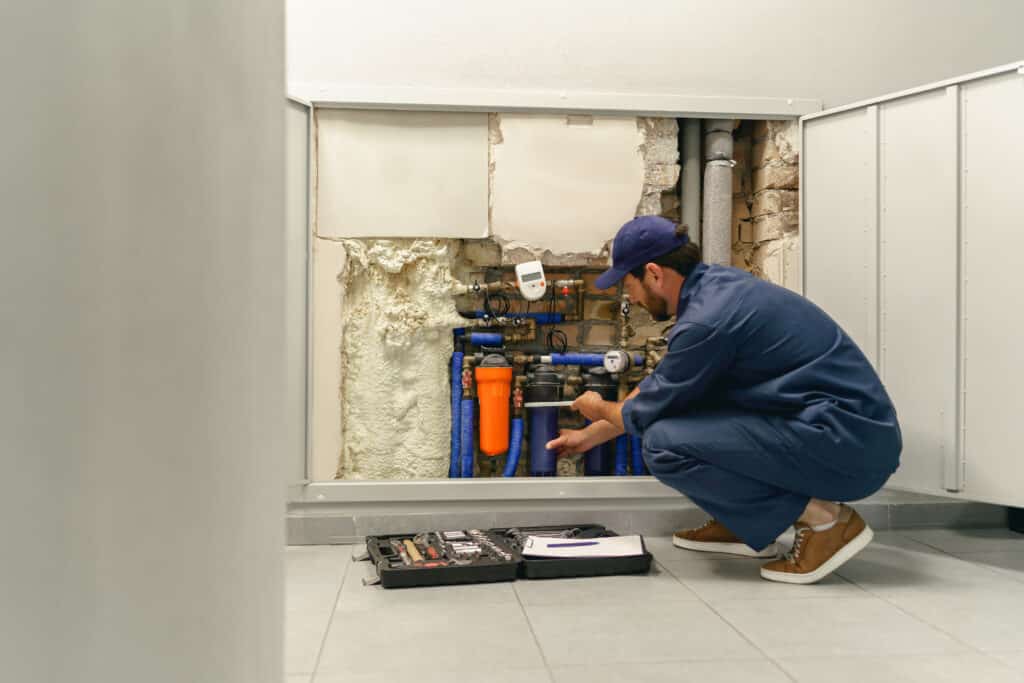
While DIY checks are a great starting point, persistent low water pressure often signals deeper issues that require professional expertise. When you’re dealing with hidden leaks, clogged main lines, or faulty regulators, hiring a licensed plumber is the safest and most effective way to protect your home. A professional approach moves beyond guesswork and provides a lasting solution.
Here’s what you should expect from a qualified plumber and how Hydromax Plumbing delivers on that promise:
- Accurate Diagnosis with Advanced Tools: A professional plumber doesn’t just look at the symptoms; they find the source. Using specialized equipment is key to an accurate diagnosis. At Hydromax Plumbing, for example, we utilize state-of-the-art video inspection cameras to see exactly what’s happening inside your pipes and precise pressure gauges to identify inconsistencies throughout your system. This technology ensures we fix the right problem the first time.
- Durable, Long-Term Repairs: The goal of a professional repair is to ensure the problem doesn’t come back. This requires not only technical skill but also a deep understanding of local infrastructure. Our familiarity with the plumbing challenges specific to Evansville homes allows us to recommend and implement the most durable solutions, whether it’s recalibrating a regulator or performing a trenchless pipe repair to fix a line with minimal disruption to your property.
- Efficiency and Peace of Mind: A professional service should be efficient, safe, and stress-free. From the moment you call, you should feel confident you’re in good hands. That’s why we emphasize a customer-centric approach with clear communication and transparent pricing. And because major issues don’t always happen during business hours, our 24/7 emergency service is always available to protect your home and restore your water flow quickly.
Ensuring Reliable Water Flow and Preventing Costly Repairs
Low water pressure is a frustrating problem, but it’s one you don’t have to live with. You are now equipped with the knowledge to perform simple DIY checks and the confidence to recognize when a deeper issue requires a professional touch. Don’t let a hidden leak, clogged pipe, or faulty regulator disrupt your daily life or lead to more costly repairs down the road.
If you’ve tried the DIY fixes without success or suspect a more serious problem, the expert team at Hydromax Plumbing is here to restore order. We are proud to serve homeowners across Evansville, providing accurate diagnostics and lasting solutions.
Ready to get back to powerful showers and efficient appliances? Contact Hydromax Plumbing today to schedule your service and enjoy the strong, reliable water flow your home deserves.